Deposit Caps Meet Loyalty Perks: Safety Innovations in Mobile Betting Apps
Written by Carlo Lange · Jun 18, 2026
Deposit Caps Meet Loyalty Perks: Safety Innovations in Mobile Betting Apps
Operators in the mobile betting space have begun linking deposit limits directly to loyalty reward structures, creating systems where spending boundaries trigger or adjust bonus eligibility and point accumulation rates. This approach draws from patterns observed across various markets where regulators and platforms test combined tools for managing player activity. Data from multiple jurisdictions shows that when limits connect to rewards, users often maintain more consistent engagement levels without rapid escalation in deposit frequency.
Core Components of Integrated Systems
Deposit limits function as user-set or operator-enforced caps on daily, weekly, or monthly transfers into betting accounts, while loyalty programs award points or tiers based on wagering volume and account tenure. Integration occurs when platforms automatically adjust reward multipliers or unlock additional perks once a player stays within predefined limits for consecutive periods. Researchers at institutions tracking digital gambling behaviors have documented cases where such linkages appear in apps operating across North America and parts of Asia, with updates rolling out through 2025 and into mid-2026.
One mechanism involves tiered loyalty structures that grant higher redemption values only after a user demonstrates consistent adherence to their chosen deposit ceiling. Another uses dynamic point bonuses that scale upward the longer an account remains below its limit threshold. These features rely on backend algorithms that monitor transaction data in real time and apply changes without requiring manual intervention from the player.
Implementation Across Mobile Platforms
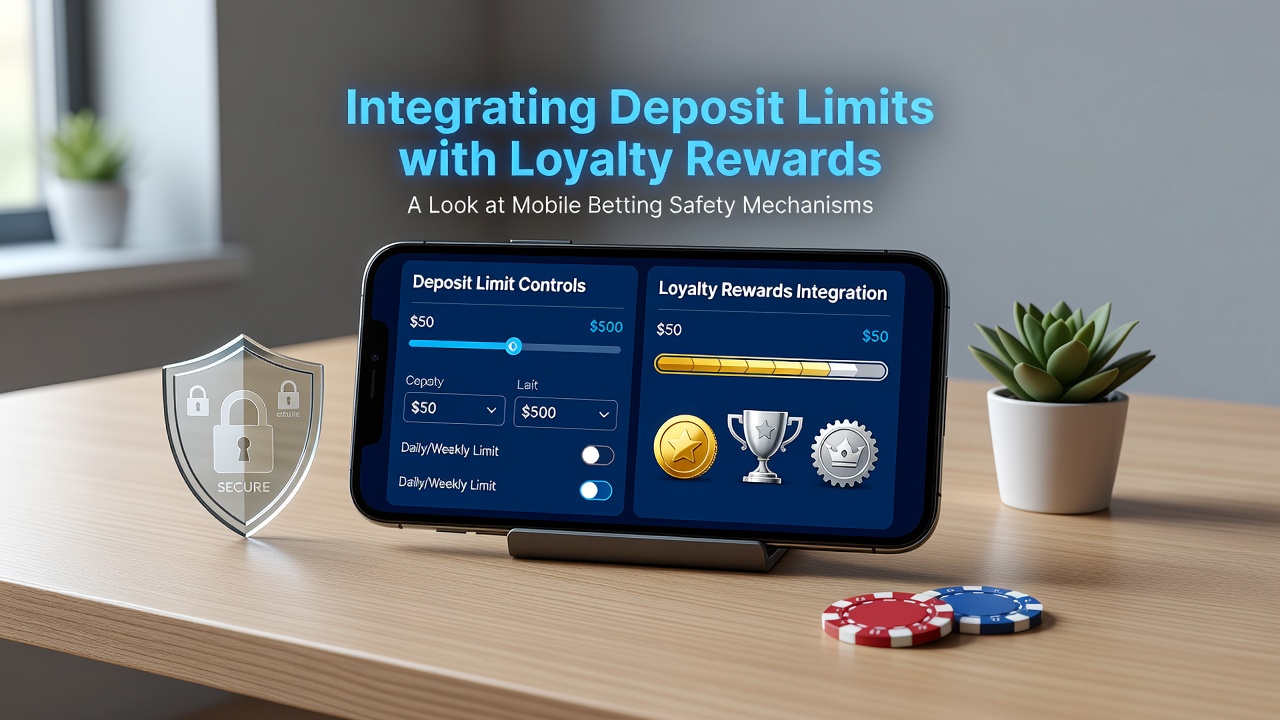
Developers embed these tools within account dashboards accessible via smartphone interfaces, allowing players to view both their current deposit status and projected loyalty progress on the same screen. Notifications alert users when approaching their limit while simultaneously showing how continued compliance affects upcoming reward tiers. Industry reports indicate that adoption rates for these combined features increased noticeably in the first half of 2026, particularly among operators targeting younger demographics who prefer app-based management over desktop options.
Take the example of several mid-sized platforms that introduced loyalty shields in June 2026, where reaching a new reward level required maintaining deposit activity below a set amount for 30 consecutive days. Observers note that this requirement encourages steady rather than impulsive behavior patterns. External data from the Responsible Gambling Council of Canada highlights similar pilot programs showing reduced variance in monthly spend among participants who engaged with the linked features.
Technical and Regulatory Considerations
Behind the scenes, secure APIs connect banking modules with loyalty databases to ensure that limit breaches immediately pause point accrual or downgrade tier status temporarily. Compliance teams verify that these automations align with local rules governing responsible gambling tools, although frameworks differ significantly between regions. Platforms operating in multiple countries often maintain separate rule sets for each jurisdiction to accommodate varying legal requirements on player protection mechanisms.
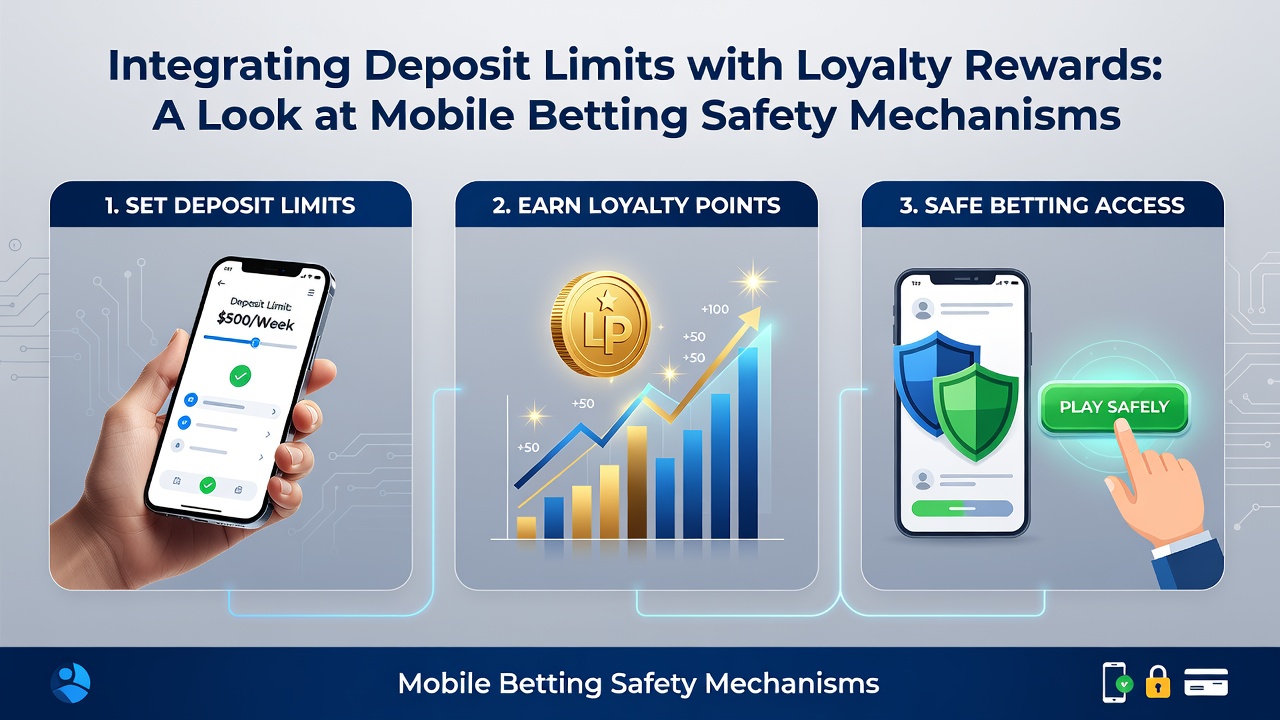
Testing phases for these systems frequently include user feedback loops where participants report on interface clarity and perceived impact on their betting habits. Results from such trials, shared in industry forums, suggest that clear visual cues linking limits to rewards improve user comprehension compared to separate tools presented in different menu sections. Developers continue refining notification timing to avoid overwhelming players while still providing timely reminders about both spending boundaries and reward opportunities.
Evidence from Broader Research
Studies conducted by the Victorian Responsible Gambling Foundation in Australia have examined how reward structures influence adherence to voluntary limits across digital platforms. Findings reveal that when loyalty benefits scale with responsible limit usage, participants show higher rates of sustained engagement with the tools over six-month observation windows. These outcomes appear consistent whether the platforms operate primarily on mobile or include web-based access points.
Additional analysis from academic sources in Europe points to measurable differences in session length and deposit frequency when limits and rewards operate in tandem versus isolation. The data indicates that integration reduces instances where players override their own limits shortly after setting them, although results vary based on game type and reward visibility. Platforms that display projected loyalty losses alongside limit warnings tend to see stronger retention of the safety settings.
Future Developments and Industry Trends
As mobile betting continues expanding, more operators explore ways to refine these integrations with machine learning models that predict optimal reward adjustments based on individual account histories. Discussions at sector conferences in early 2026 emphasized the potential for cross-platform standardization of these safety linkages, though technical and regulatory differences remain hurdles. Observers expect further iterations to emerge throughout the latter half of the year as data accumulates from existing deployments.
Conclusion
The merging of deposit limits with loyalty rewards represents one avenue through which mobile betting platforms address player safety without separating protective tools from engagement features. Evidence gathered across multiple regions demonstrates that thoughtful connections between these elements can support steadier account behaviors while preserving the incentive structures users value. Continued monitoring and refinement will determine how widely these approaches spread in coming updates.