How Digital Payment Choices Influence Loyalty Access and Controls in Mobile Gaming
Written by Morgan Krüger · Jun 6, 2026
How Digital Payment Choices Influence Loyalty Access and Controls in Mobile Gaming
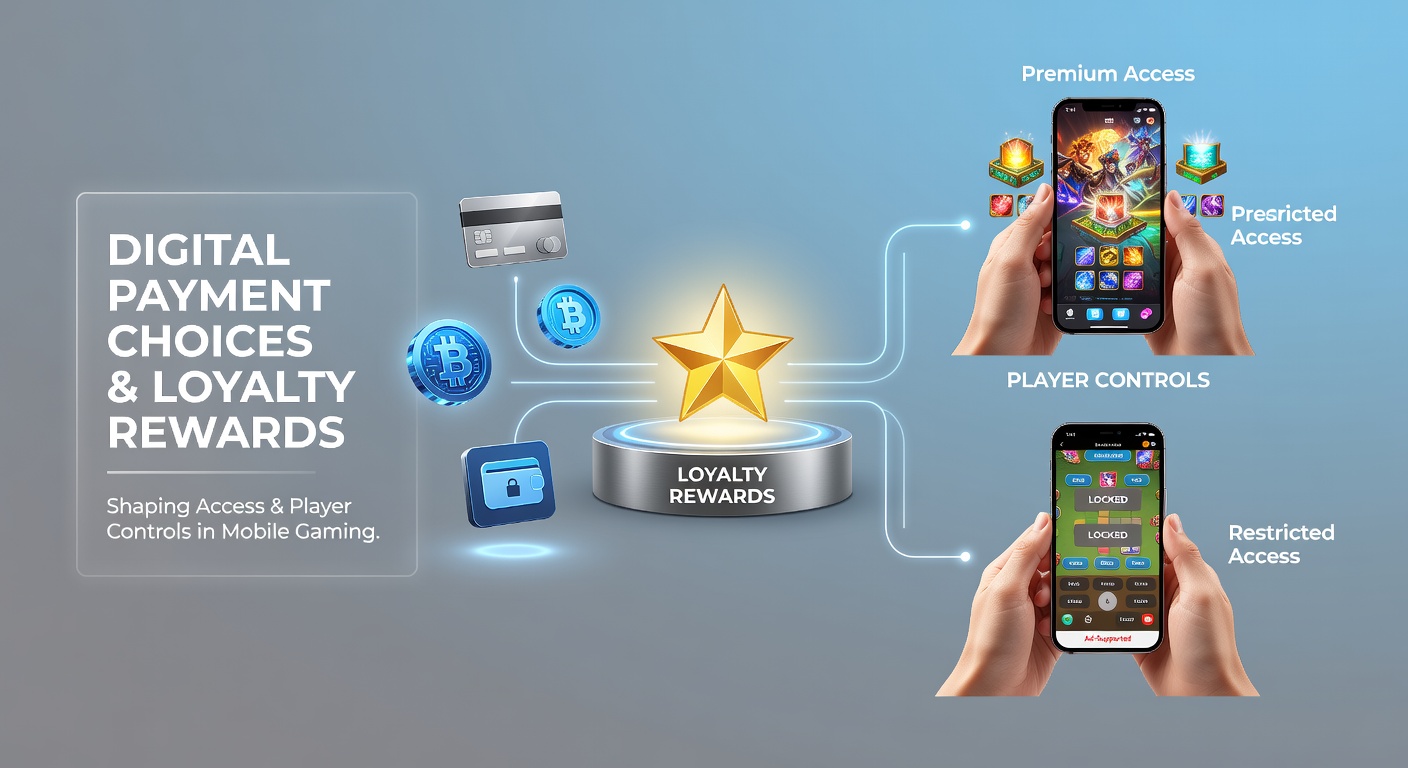
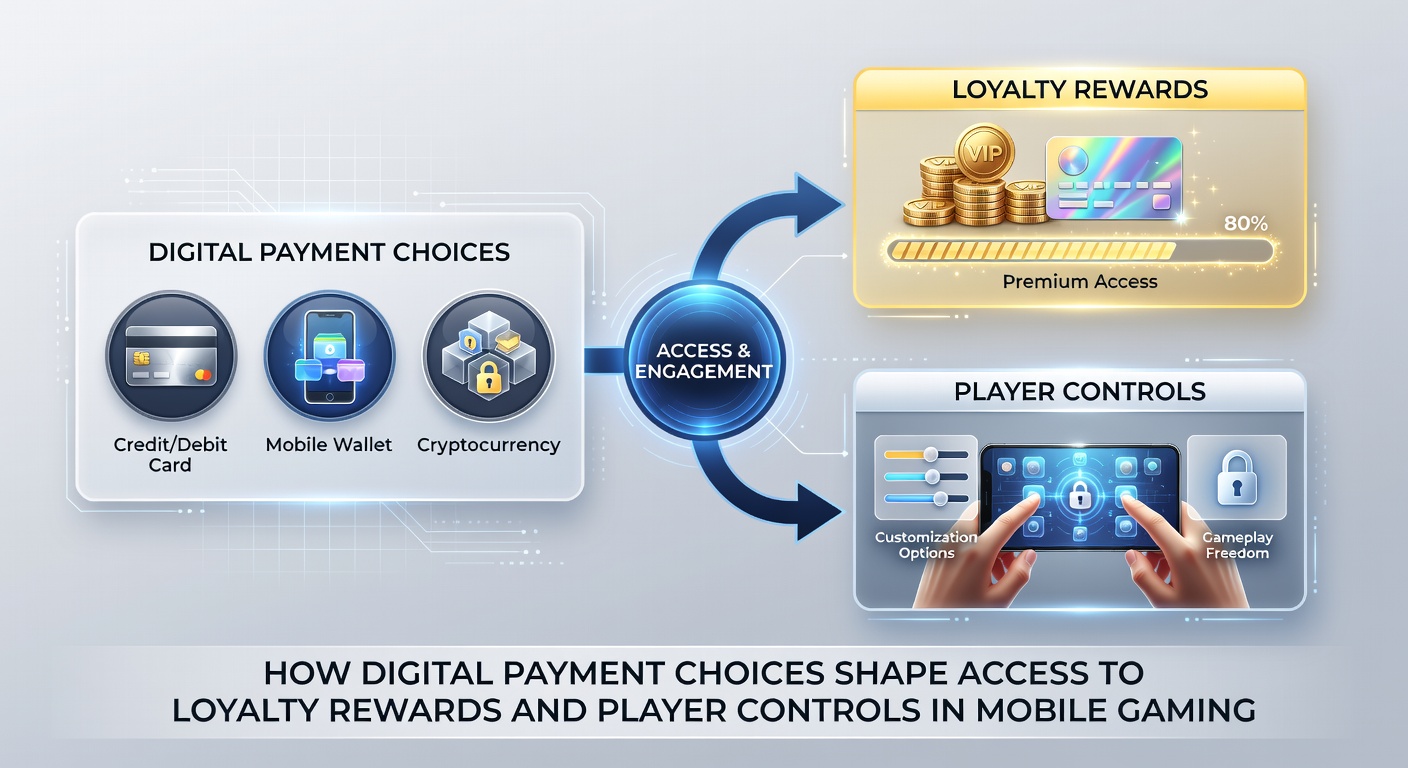
Digital payment methods have become central to how players interact with mobile gaming platforms, and they directly determine which loyalty rewards become available along with the types of controls users can activate. Payment selections such as e-wallets, bank transfers, credit cards, and cryptocurrencies create different pathways for reward accumulation and spending management features that platforms build into their systems.
Payment Methods and Their Integration With Rewards
Platforms structure loyalty programs around transaction speed and verification levels, so faster methods like certain e-wallets often unlock bonus spins or cashback percentages sooner than slower bank transfers. Research indicates that instant deposit options correlate with higher participation rates in tiered reward systems because players reach minimum activity thresholds more quickly. Those who've studied transaction data across platforms note that cryptocurrency users frequently access exclusive VIP ladders earlier, since these methods bypass traditional processing delays and trigger automated reward credits without manual review steps.
Observers point out that platforms adjust reward multipliers based on payment provider partnerships, which means users selecting approved digital wallets receive elevated point earnings on deposits compared with standard card transactions. Data from industry reports shows this structure encourages repeated use of specific methods while limiting reward access for others.
Player Controls Tied to Transaction Types
Player controls such as deposit limits, session timers, and self-exclusion tools integrate differently depending on the payment channel chosen. E-wallet integrations often allow real-time limit adjustments through app interfaces, whereas cryptocurrency options may route through separate wallet settings that require additional confirmation layers. Figures from regulatory filings reveal that platforms using multiple payment rails provide granular control options for instant methods but apply stricter verification to card-based accounts to prevent rapid overspending.
What's interesting is how June 2026 updates in several jurisdictions expanded requirements for payment-linked controls, forcing platforms to display spending caps at the point of transaction selection rather than in separate menus. Those studying these changes found that users of integrated digital wallets adopted the new tools at higher rates because the controls appeared directly within the payment flow.
Regional Variations in Payment-Reward Linkages
European platforms tend to connect loyalty rewards more tightly to verified bank transfers and licensed e-wallets, whereas North American systems often prioritize card and digital wallet pairings for reward eligibility. According to a report from the American Gaming Association, mobile gaming operators in regulated markets recorded increased reward redemptions when payment choices included built-in verification that matched loyalty program criteria. Australian data collected by state gaming authorities similarly shows that platforms offering cryptocurrency deposits granted faster access to progressive jackpots tied to loyalty tiers, although these options came with separate transaction monitoring requirements.
Take one operator in a multi-jurisdiction market that adjusted its reward structure after June 2026 compliance deadlines, and the change resulted in e-wallet users gaining priority entry to exclusive tournaments while card users faced additional identity checks before reward activation.
Technical Mechanisms Behind Access Differences
Backend systems track payment method identifiers to assign reward eligibility scores, which means users switching between methods mid-session may experience interrupted progress toward loyalty milestones. Studies from academic sources on digital transaction patterns indicate that platforms embed control features like cooling-off periods directly into API connections with certain payment providers, creating seamless pauses that card transactions do not always support as readily. Researchers discovered these technical differences affect how quickly players can modify their settings without leaving the gaming interface.
Yet platforms continue refining these connections, and data released in mid-2026 highlighted measurable shifts in reward distribution once operators standardized control interfaces across more payment types.
Conclusion
Payment choices ultimately function as gatekeepers for both reward access and control availability in mobile gaming environments. As platforms adapt to evolving technical standards and regulatory expectations, the connections between transaction methods, loyalty progression, and player safeguards continue to define user experiences across different regions and operator models. Data collected through 2026 underscores these linkages without suggesting any single method holds universal advantage.