Linking Ledgers to Limits: Financial Channels That Bolster Player Controls Amidst Slot Sequences and Betting Bonanzas
Written by Katja Hughes · May 23, 2026

Linking Ledgers to Limits: Financial Channels That Bolster Player Controls Amidst Slot Sequences and Betting Bonanzas
Financial channels now connect directly to spending controls in digital gaming environments, allowing operators to tie transaction records to preset boundaries that players establish before engaging with slot sequences or extended betting sessions. These integrations draw from payment processors, banking networks, and digital wallets that transmit real-time data to backend systems monitoring deposits, withdrawals, and play activity. Regulators in multiple jurisdictions require such linkages to maintain compliance with responsible gaming standards while supporting high-volume participation in mobile and desktop platforms.
Payment Integration Mechanisms
Systems link account ledgers to daily, weekly, or monthly caps through API connections between financial providers and casino software platforms, so that any attempt to exceed a limit triggers an automatic block rather than manual intervention. E-wallet services route funds through verification layers that reference player profiles, while traditional bank transfers incorporate notification protocols that update control dashboards within seconds of each transaction. Data from industry reports shows these automated checks reduce instances where players surpass their intended expenditure thresholds during consecutive slot spins or multi-leg wagers.
Observers note that cryptocurrency channels have begun incorporating similar ledger-to-limit protocols in jurisdictions where digital assets receive regulatory approval, although adoption rates remain lower than those for established card and bank methods. The process involves smart contract triggers that halt transfers once cumulative amounts reach predefined values, creating an additional safeguard layer for users who favor decentralized payment options.
Regional Approaches to Ledger Controls
Australian regulatory frameworks emphasize mandatory pre-commitment tools that tie financial channels to loss limits across all licensed operators, requiring providers to share transaction data in standardized formats. Canadian provincial systems apply comparable requirements through centralized databases that track activity across multiple sites, ensuring limits set in one environment carry over to others. European markets outside the United Kingdom have implemented varying degrees of integration, with some countries mandating third-party verification services that monitor ledger activity independently of individual platforms.
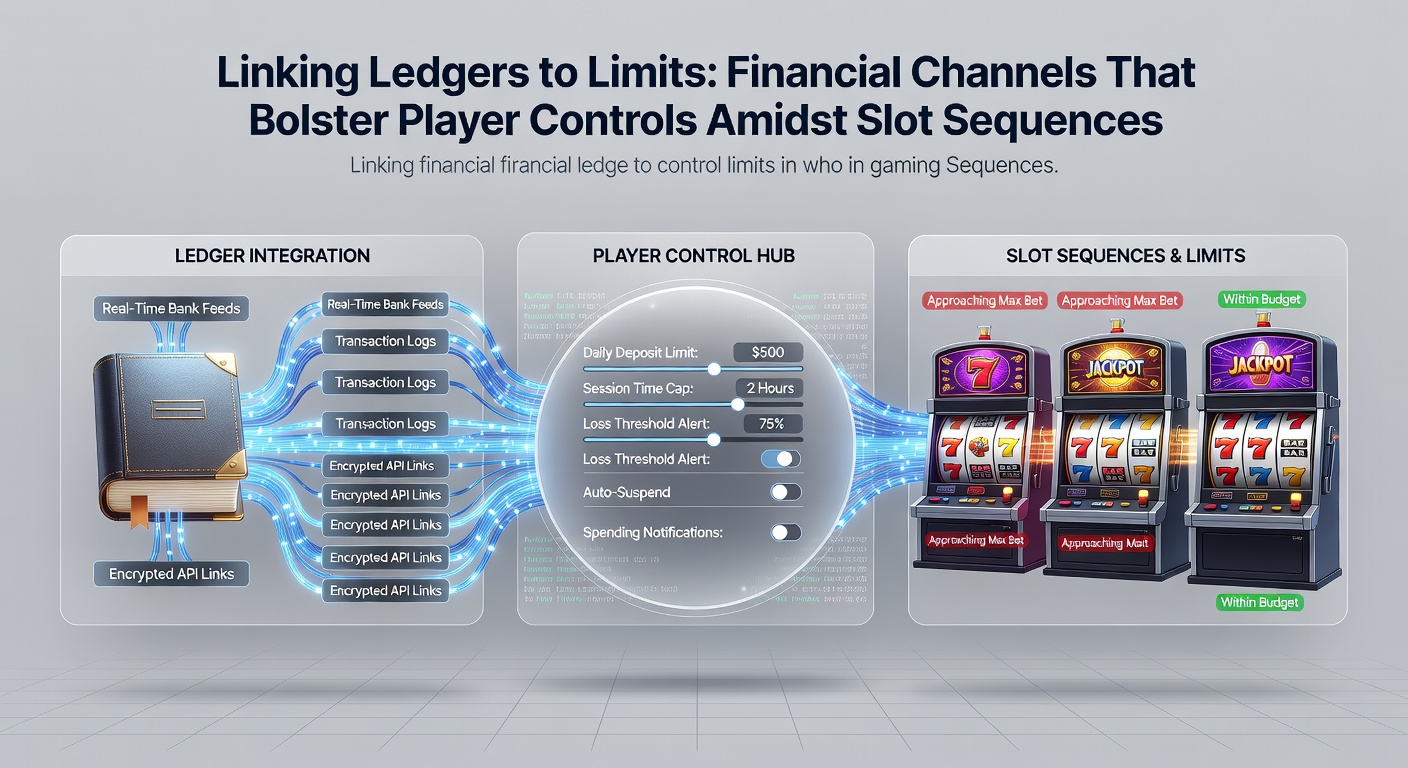
Research from the National Council on Problem Gambling indicates that players who activate these linked controls maintain session durations and expenditure levels closer to their initial plans, particularly during periods of rapid slot sequences or promotional betting events. The same data reveals measurable differences in self-reported control when financial channels enforce limits automatically versus when users must monitor activity manually.
Application During High-Activity Periods
Slot sequences often involve rapid, repeated wagers that can accumulate quickly, and integrated financial systems flag these patterns against preset limits before balances deplete beyond intended amounts. Betting bonanzas, such as major sporting events or tournament-style promotions, generate spikes in transaction volume that trigger the same ledger-based alerts, pausing further deposits until the next reset period. Operators configure these pauses to align with player-selected cooling-off intervals, allowing continued participation within boundaries rather than complete session termination.
Studies conducted by academic researchers at institutions including the University of Nevada have examined transaction datasets from regulated markets, finding that players using linked ledger systems exhibit lower rates of chasing losses compared with those relying solely on voluntary self-monitoring. The findings highlight how seamless data exchange between payment channels and control modules supports sustained engagement without abrupt disruptions.
Emerging Developments in May 2026
New platform launches scheduled for May 2026 incorporate enhanced ledger-to-limit architectures that support multi-currency tracking and cross-device synchronization, reflecting updates in technical standards across several licensing regions. These systems build on existing payment gateway capabilities to provide granular reporting that both players and operators can access through secure portals. Industry associations have published guidelines encouraging uniform data formats so that limits remain consistent regardless of which financial channel a user selects for deposits or withdrawals.
What's interesting is how these forthcoming implementations address fragmentation that previously occurred when players switched between wallets and bank methods mid-session, since unified ledgers now consolidate all activity under single control parameters. Figures released by the American Gaming Association show steady growth in adoption of such unified systems among operators preparing for the 2026 cycle.
Conclusion
Financial channels that connect transaction ledgers to spending limits continue to evolve alongside gaming technology, providing structured support for player-defined boundaries amid intensive slot sequences and betting activity. Regulatory frameworks in diverse regions establish baseline requirements, while technical advancements expand the precision and reach of these controls. Data from multiple sources confirms measurable effects on player behavior when these linkages operate consistently across payment methods and platforms.