Mobile Transaction Flows: Linking Deposits to Free Play Incentives and Player Safety Protocols
Written by Morgan Krüger · Jul 18, 2026
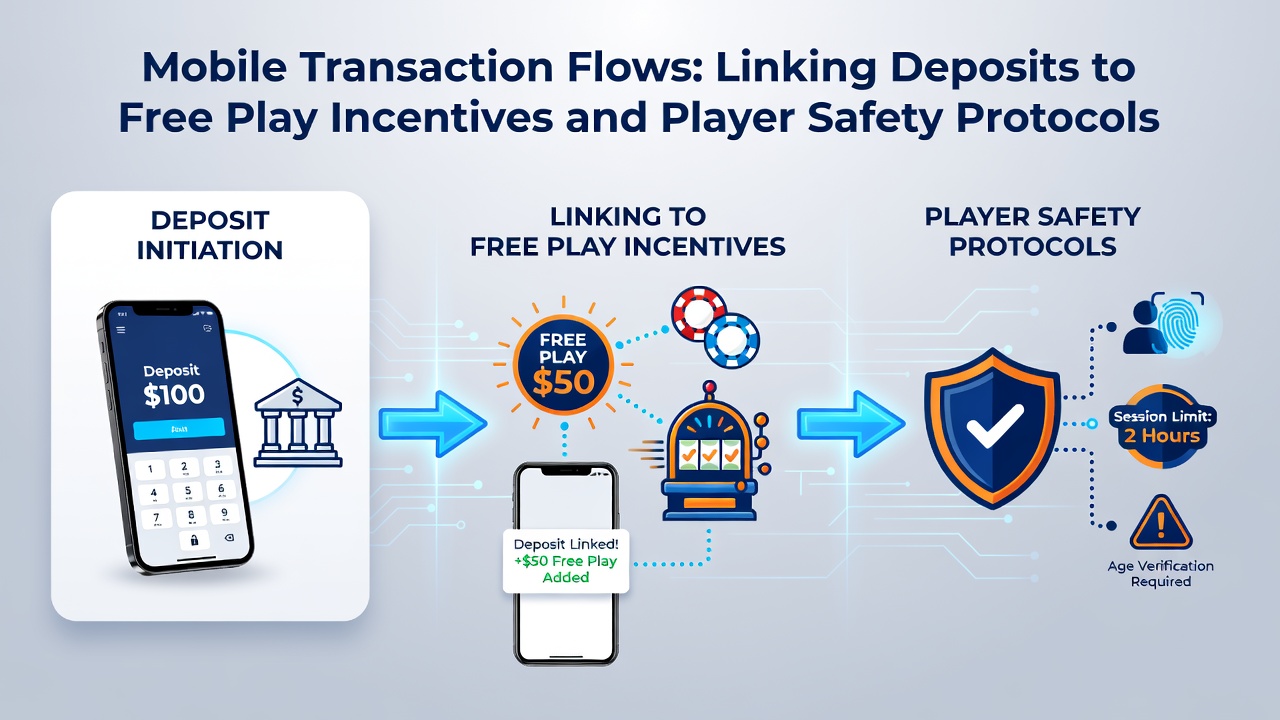
Mobile Transaction Flows: Linking Deposits to Free Play Incentives and Player Safety Protocols
Digital gaming platforms process millions of mobile transactions daily, adn these flows connect deposits directly to promotional incentives while embedding multiple layers of verification. Operators route payments through secure gateways that trigger bonus allocations such as free play credits once funds clear, and the same systems apply real-time checks that flag suspicious patterns before completion.
Deposit Pathways and Incentive Triggers
Players initiate deposits via mobile apps using methods including e-wallets, bank transfers, and card payments, after which automated systems match the transaction amount against predefined bonus rules. When a deposit qualifies, the platform credits free play balances that players can use on selected games, and this linkage relies on timestamped records that prevent duplicate claims. Data from the Nevada Gaming Control Board shows that mobile deposit volumes grew steadily through 2025, with many operators reporting higher conversion rates when incentives activate within seconds of confirmation.
Transaction logs capture every step from authorization to incentive distribution, allowing systems to enforce wagering requirements attached to free play rewards. These requirements specify how many times players must use the credited amount before withdrawing any associated winnings, and the same records feed into ongoing monitoring tools that track account behavior across sessions.
Security Layers Built Into Mobile Flows
Encryption protocols protect data during transfer, while device fingerprinting and location verification add further safeguards that confirm the transaction originates from an authorized user. Multi-factor authentication prompts appear at random intervals or when systems detect unusual activity, and these steps occur before funds reach the gaming wallet or bonuses activate. Industry reports from the New Jersey Division of Gaming Enforcement highlight that platforms incorporating these checks experienced fewer chargeback incidents in recent quarters.
Verification and Compliance Integration
Regulatory frameworks in multiple jurisdictions require operators to maintain detailed audit trails that link each deposit to its corresponding incentive and any safety interventions applied. Automated compliance engines scan for patterns such as rapid successive deposits or mismatched device information, pausing the flow when thresholds are crossed until manual review occurs. In July 2026 several North American regulators updated their technical standards to mandate additional biometric options for high-volume mobile users, tightening the connection between transaction approval and player identity confirmation.
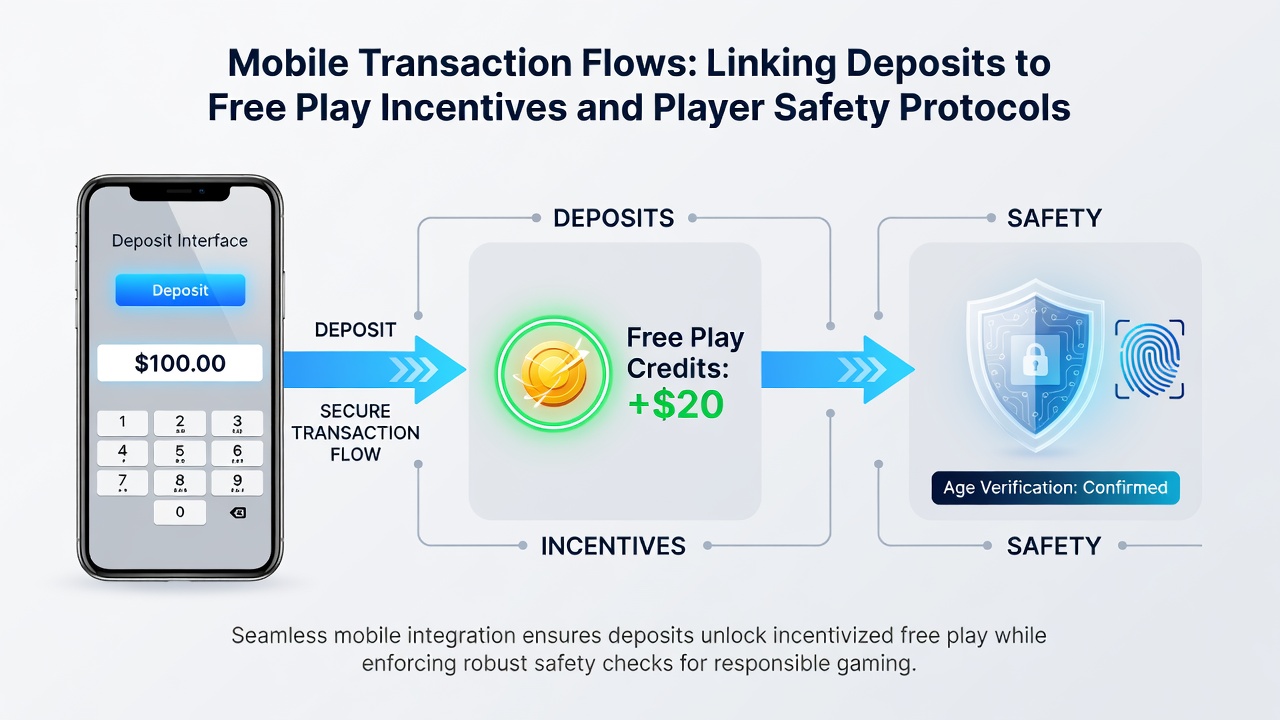
Payment processors collaborate with gaming platforms to share standardized risk scores, and these scores influence whether a deposit proceeds to the incentive stage or triggers additional checks. Observers note that this collaboration reduces instances where players receive free play credits from compromised accounts, because the shared data allows earlier intervention.
Player Protection Mechanisms During Incentive Distribution
Systems apply spending limits and reality checks at the point of deposit, displaying reminders about available balances before free play rewards appear in the account. Self-exclusion lists integrate directly into transaction processors, blocking deposits from restricted accounts even when payment details match. Research published by the UNLV International Gaming Institute demonstrates that platforms embedding these protections at the transaction level recorded measurable decreases in accounts reaching preset loss thresholds.
Transaction flows also support responsible gaming tools by routing a portion of deposits into separate player-controlled buffers that cannot convert into bonus play without explicit confirmation. These buffers remain visible on mobile dashboards, and operators update them in real time as new deposits arrive or withdrawals process.
Case Examples from Operational Platforms
One North American operator implemented a unified ledger that records deposit source, bonus trigger, and safety flag status in a single entry, cutting reconciliation time by more than half. Another platform in the Asia-Pacific region introduced dynamic bonus scaling based on verified mobile session history, rewarding consistent players with higher free play percentages while maintaining strict velocity checks on new accounts. Both examples illustrate how the same data stream serves promotional goals and protective requirements without creating separate systems.
Conclusion
Mobile transaction flows continue to evolve as the central mechanism that joins deposits, free play incentives, and safety protocols into one continuous process. Regulatory updates scheduled for later in 2026 will likely require even tighter integration of verification steps, ensuring that incentive distribution remains contingent on passing all active security checks. Platforms that maintain clear audit trails and responsive monitoring tools position themselves to meet these standards while sustaining player engagement through timely reward activation.