Player Protection Features in Progressive Mobile Gaming Rewards Systems
Written by Carlo Lange · Jun 11, 2026
Player Protection Features in Progressive Mobile Gaming Rewards Systems
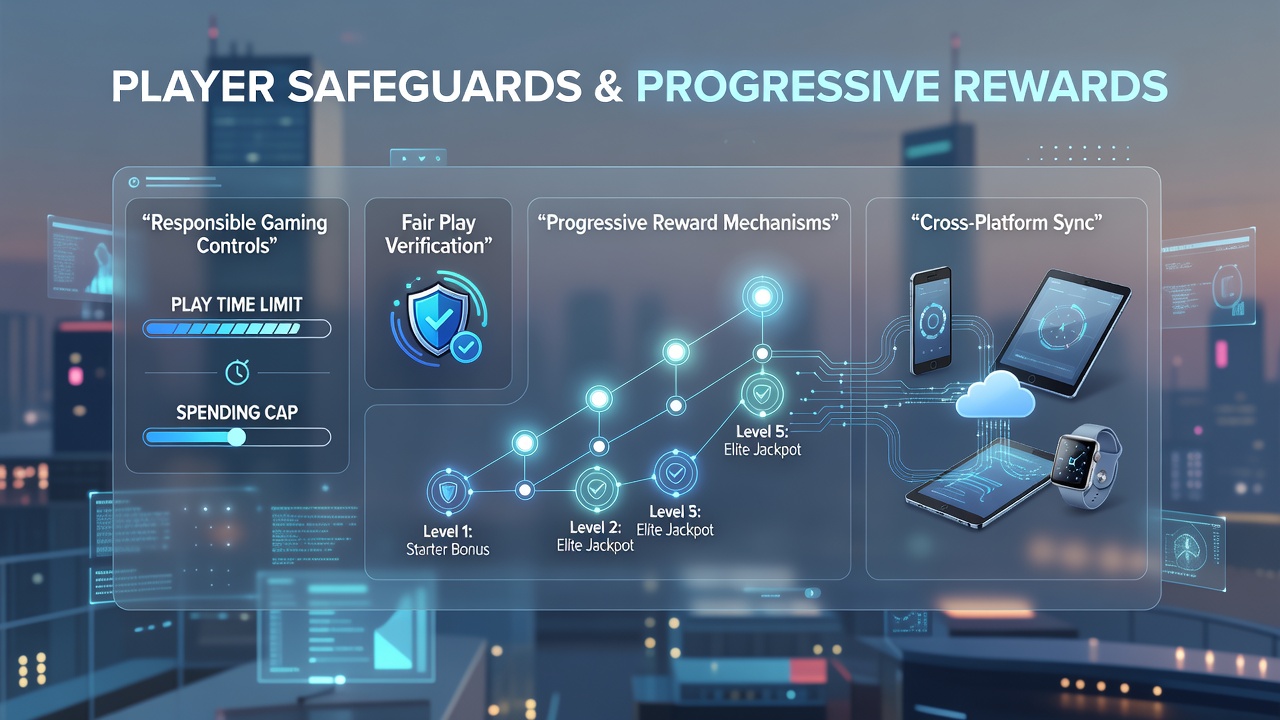
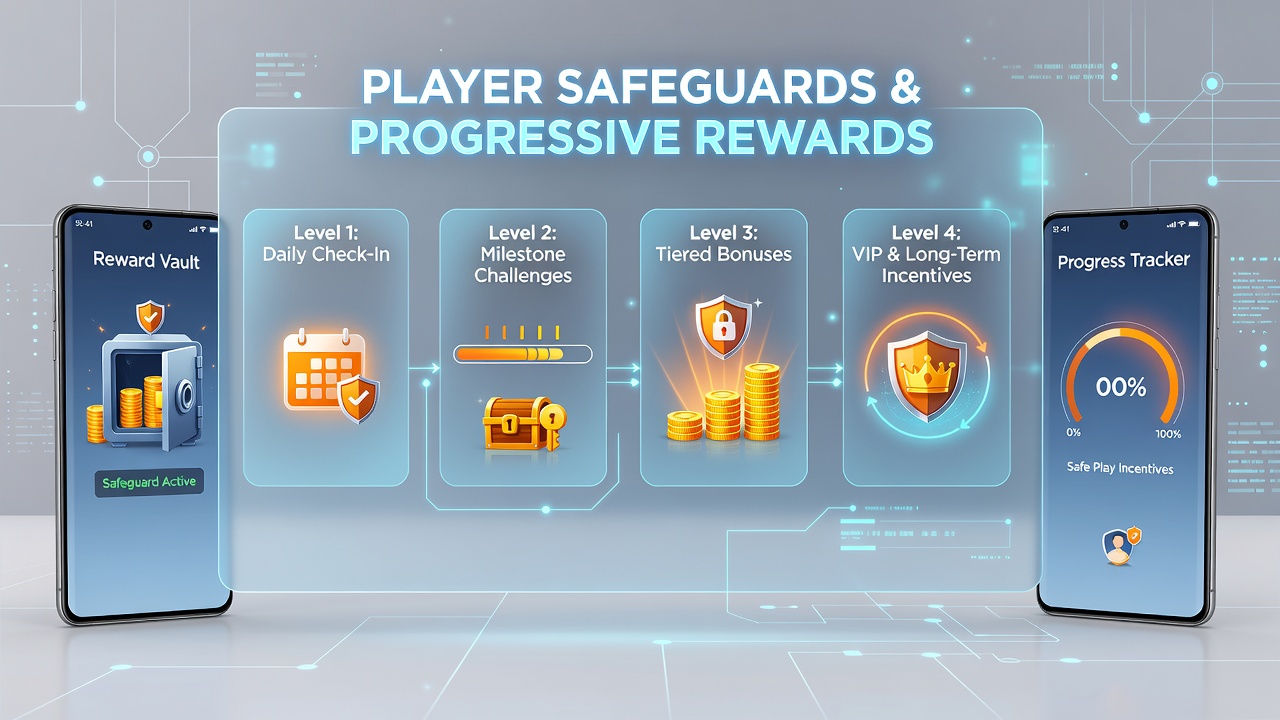
Progressive reward mechanisms in mobile gaming platforms track player activity over time and unlock tiers of bonuses, free spins, cashback percentages, and exclusive events as engagement levels rise. These systems often operate through points accumulation, streak multipliers, and level-up structures that scale with continued play across sessions. Data from industry reports indicates that many platforms now embed automated checks directly into the progression logic itself rather than treating safeguards as separate add-ons.
Core Components of Embedded Safeguards
Designers integrate time-based alerts that trigger when cumulative play sessions approach predefined daily or weekly thresholds, pausing reward accrual until the user confirms continued participation. Spending caps link directly to reward tiers so that once a player reaches a set deposit or wager limit the progression pauses and additional bonuses do not activate until the cap resets. Self-exclusion options appear within the same dashboard that displays current reward status, allowing users to halt both play and tier advancement in one action. Researchers at several academic institutions have documented these integrated controls through analysis of app update logs and user interface patterns across major platforms.
Regional Regulatory Approaches
Authorities in Ontario require operators to display real-time loss adn time metrics alongside any loyalty progress indicators, while similar rules in New Jersey tie reward eligibility to verified account verification steps that include optional cool-down periods. In Australia, state-level guidelines encourage platforms to disable progressive multipliers once harm-minimization flags activate, and European frameworks under the Malta Gaming Authority emphasize audit trails that record every instance where a safeguard interrupted reward progression. These measures appear in licensing conditions that operators must satisfy before rolling out new loyalty features.
One study published by a Canadian research consortium examined over 200 mobile titles and found that 68 percent of apps with tiered rewards now include mandatory reality-check prompts that users cannot bypass without first acknowledging their current session statistics. The same analysis noted that reward velocity slows automatically when velocity algorithms detect rapid escalation in wager sizes relative to historical patterns.
Technical Implementation Patterns
Engineers typically code these protections into the backend reward engine using conditional statements that reference player history tables before granting any tier advancement. For instance, if a session timer exceeds ninety minutes the system withholds the next multiplier until a mandatory break occurs. Platforms also route deposit requests through the same logic layer so that exceeding a personal limit blocks both the transaction and any associated reward points. Observers note that this unified architecture reduces the chance that promotional features override safety settings during high-engagement periods.
Third-party testing laboratories now include safeguard verification in their certification processes, examining whether reward algorithms correctly respect exclusion lists and limit flags. Reports from these labs indicate that successful certification requires demonstration of at least three independent interruption points within any single progression cycle. Updates rolled out in early 2026 further standardized data export formats so regulators can review reward interruption logs without needing proprietary access keys.
Industry Collaboration and Data Sharing
Trade associations representing mobile game developers have published voluntary best-practice documents that outline how to link reward engines with external responsible-gaming databases. These documents recommend that platforms query exclusion registries before advancing any user to a new loyalty tier and that they log the query result for compliance audits. Several operators have adopted shared APIs that allow real-time synchronization between their internal reward systems and third-party player-protection services, reducing duplication of effort while maintaining consistent thresholds across different titles.
Academic papers examining user behavior after these safeguards were introduced report that average session lengths stabilized rather than declined, suggesting the controls interrupt problematic patterns without broadly affecting engagement metrics. One paper from an Australian university tracked anonymized account data over eighteen months and observed that accounts with active tier-linked limits showed lower rates of repeated large deposits compared with accounts using only generic platform warnings.
Future Developments Expected by Mid-2026
Discussions at international gaming conferences scheduled for June 2026 focus on expanding machine-learning models that predict when reward progression itself may correlate with increased risk indicators. Developers plan to test algorithms that temporarily freeze tier advancement when behavioral signals diverge from established norms, then notify the user through the same interface used to track progress. Pilot programs in select markets will evaluate whether such predictive pauses improve long-term player retention while satisfying stricter licensing requirements that several jurisdictions plan to introduce later that year.
Conclusion
Progressive reward mechanisms now function as integrated environments where advancement, bonuses, and protective controls operate through shared code paths rather than parallel systems. Regulatory frameworks across multiple continents continue to shape how these controls activate, while technical standards evolve to support consistent enforcement. Data collected by testing labs and academic groups provides ongoing visibility into the effectiveness of these embedded features as platforms update their loyalty structures.