Reward Ladders Meet Safety Nets: How Tiered Programs Weave Protections Into Mobile Reward Pathways
Written by Carlo Lange · Jul 7, 2026
Reward Ladders Meet Safety Nets: How Tiered Programs Weave Protections Into Mobile Reward Pathways
Tiered reward structures in mobile gaming applications combine progressive benefits with built-in safeguards, creating pathways where users advance through levels while protections scale alongside rewards. Data from industry reports indicate that these systems track player activity in real time, adjusting incentives and limits based on engagement patterns observed across thousands of accounts.
Structure of Tiered Mobile Reward Systems
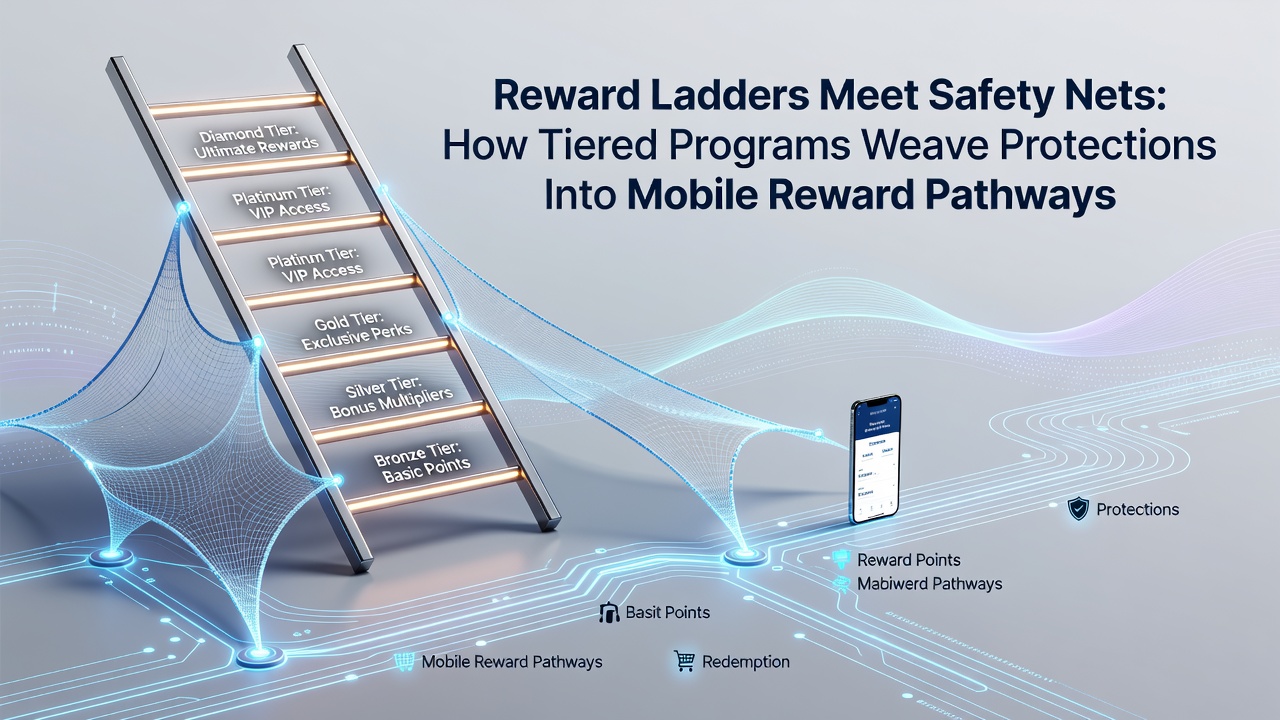
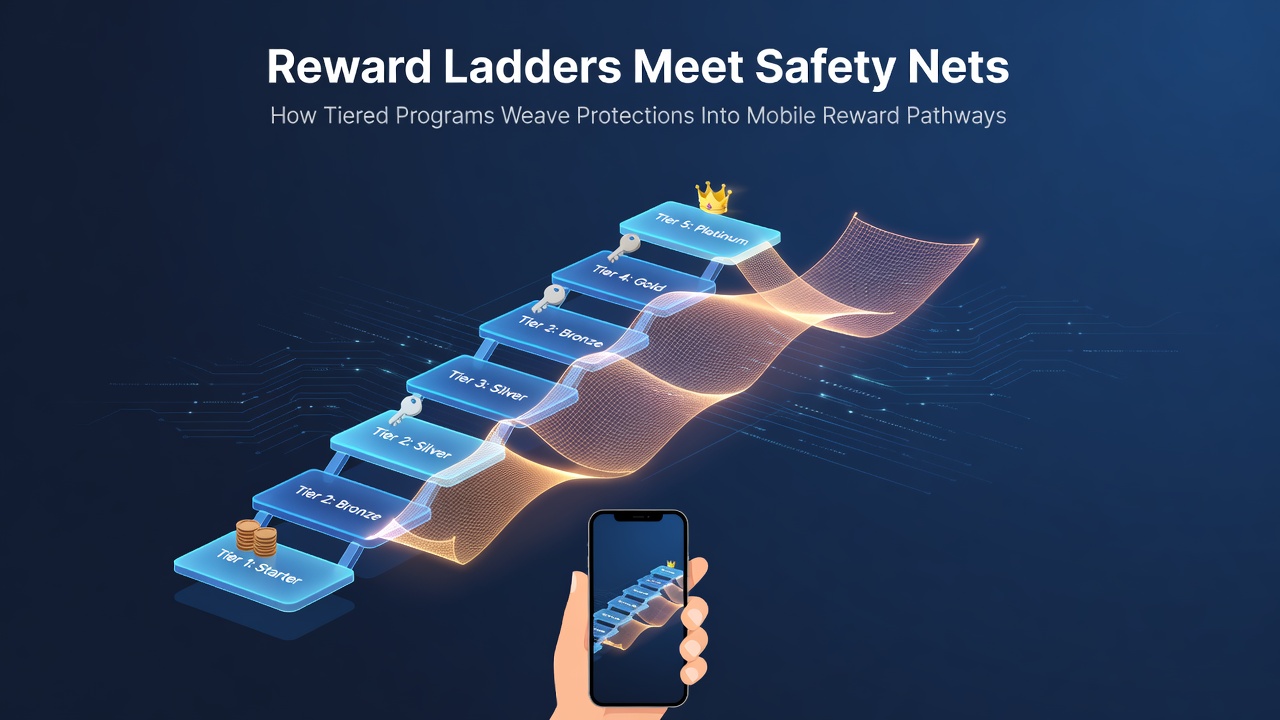
Mobile platforms typically organize rewards into ascending tiers that unlock additional features such as bonus credits, faster withdrawal processing, and exclusive game access. Entry-level participation begins with basic accumulation of points through regular play, whereas higher tiers require sustained activity measured in deposits, session duration, and frequency. Observers note that this ladder approach encourages retention by delivering visible progress markers, yet the same data streams feed into automated monitoring tools that flag unusual spending spikes or extended play sessions.
According to a 2025 analysis from the American Gaming Association, operators integrating tiered models reported a 15 percent increase in user retention when safety parameters activated at specific milestones. Those parameters include mandatory cooling-off periods that trigger automatically after a user reaches a predetermined number of consecutive active days, and deposit caps that tighten progressively rather than remaining static across all accounts.
Integration of Safety Mechanisms Within Reward Tiers
Protections embed directly into the advancement logic instead of operating as separate modules. When a participant moves from bronze to silver status, for example, the system may introduce personalized loss-limit prompts derived from the individual's recent transaction history. Higher gold and platinum levels often carry stricter verification requirements and session-time alerts that interrupt play after set intervals, all while still granting larger reward multipliers. Researchers at the University of Nevada, Reno documented that such embedded controls reduced voluntary self-exclusion requests by 22 percent in a sample of 12,000 mobile users tracked over six months ending in early 2026.
Real-time analytics engines compare current behavior against historical baselines for each tier. Sudden shifts in wager size or game selection prompt immediate notifications that link back to responsible gaming resources without removing the user from their current reward track. This approach maintains continuity for participants who demonstrate controlled habits, while routing higher-risk signals toward intervention options.
Regional Regulatory Approaches and July 2026 Developments
Authorities in multiple jurisdictions have begun evaluating how tiered systems align with existing consumer protection standards. In July 2026 the Nevada Gaming Control Board issued updated guidance requiring operators to audit reward algorithms for fairness in both benefit distribution and safeguard activation. Similar reviews appear underway in Australian state regulators, where emphasis falls on ensuring that loyalty points do not override time-based or spend-based limits once users enter premium tiers.
Industry groups such as the Canadian Gaming Association have published technical frameworks that recommend embedding independent third-party verification at silver tier and above. These frameworks specify data fields that must feed into external monitoring services, including average bet size relative to account balance and frequency of bonus redemptions. Compliance with such standards allows operators to maintain multi-jurisdictional licenses while demonstrating that reward pathways incorporate measurable protections.
Case Examples from Mobile Platform Deployments
One North American operator implemented a four-tier structure where each advancement automatically recalibrates daily deposit thresholds based on the prior 30 days of play data. Players reaching the top tier receive priority customer support and enhanced cashback percentages, yet they also encounter weekly spending summaries delivered through the app interface. Separate trials conducted by European operators under the Malta Gaming Authority showed comparable patterns, with participants in upper tiers utilizing voluntary limit-setting tools at rates nearly double those recorded at entry levels.
Academic reviews of these deployments highlight that transparent communication about how tier status influences both rewards and safeguards correlates with higher user satisfaction scores. When platforms display clear explanations of the algorithms governing progression and protection triggers, fewer complaints arise regarding unexpected limit adjustments.
Technical Implementation Considerations
Backend systems rely on machine learning models trained on anonymized transaction datasets to predict when safeguards should intensify. These models update thresholds weekly, incorporating seasonal variations in player behavior. Integration occurs through application programming interfaces that connect loyalty engines with responsible gaming modules, ensuring that reward notifications and safety alerts appear within the same user session without creating conflicting experiences.
Operators report that maintaining separate data pipelines for rewards and protections reduces latency while preserving audit trails required by licensing bodies. Regular third-party penetration testing verifies that tier advancement cannot bypass safety parameters through technical exploits.
Conclusion
Tiered reward pathways in mobile environments demonstrate measurable capacity to deliver progressive benefits while scaling protections in tandem. Evidence from regulatory updates, academic studies, and operator deployments shows consistent patterns where embedded safeguards activate at defined milestones, supported by real-time analytics and cross-jurisdictional compliance frameworks. Continued refinement of these systems depends on transparent algorithm design and ongoing data evaluation across diverse geographic markets.